
By: Gayathri Nawarathna - Attorney at law
Article Rights: theleader
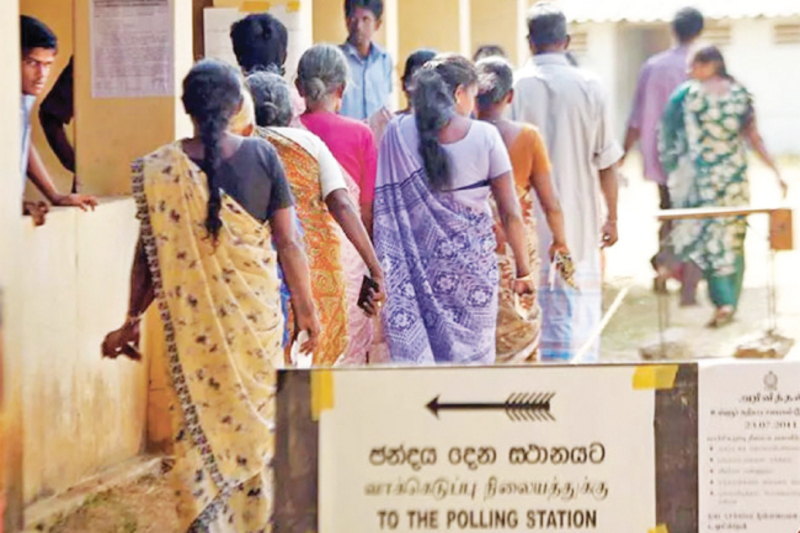 Elections are often about creating divisions within the electorate and channelling power to the majority opinion. Sri Lanka’s ninth Presidential Election concluded with an unprecedented result, signalling a new chapter in the country’s political landscape. For the first time in history, no candidate secured over 50% of the votes, triggering a second-preference vote count under the Presidential Election Polling Act.
Anura Kumara Dissanayake, leader of the National People’s Power (NPP), received 42.31% of the votes, followed by Sajith Premadasa of the Samagi Jana Balawegaya (SJB) with 32.76%, and Ranil Wickremesinghe at 17.27%.The nearly 58% majority of voters did not cast their votes for the declared winner, raising questions about whether the election results reflect voter ignorance or confidence in safeguarding rights and identity—particularly in the politically polarised Northern and Eastern provinces.